About a Project

Role: Head of Product & UX Design
Platform: Web & Mobile (iOS/Android)
Industry: Creative Writing / SaaS
Timeline: 2023–2025
Status: MVP Launched | Investment Secured

Imaginarium is an AI-powered writing platform built to help authors and screenwriters plan, write, and structure compelling stories. As both Product Owner and Designer, I led the product vision from ideation to go-to-market, overseeing design, development, and feature prioritization.

I wore multiple hats—defining the roadmap, designing the entire UX/UI, testing with early adopters, and guiding the brand strategy that positioned Imaginarium as a next-gen storytelling tool.

Alex Stanin - Head of Product & Design

Lorem ipsum dolor sit amet, consectetur adipiscing elit. Ut elit tellus, luctus nec ullamcorper mattis, pulvinar dapibus leo.

Project Goal

My Contributions

  • Build a user-friendly platform that supports writers from ideation to publication

  • Provide tools for story structure, character arcs, and world-building

  • Integrate AI to assist with brainstorming, editing, and content enhancement

  • Enable collaboration and cross-platform access

🗺️ Product Strategy

  • Defined product roadmap and MVP scope

  • Conducted competitive analysis and user research

  • Created feature prioritization frameworks using RICE scoring

🎨 UX/UI Design

  • Created end-to-end wireframes and high-fidelity designs

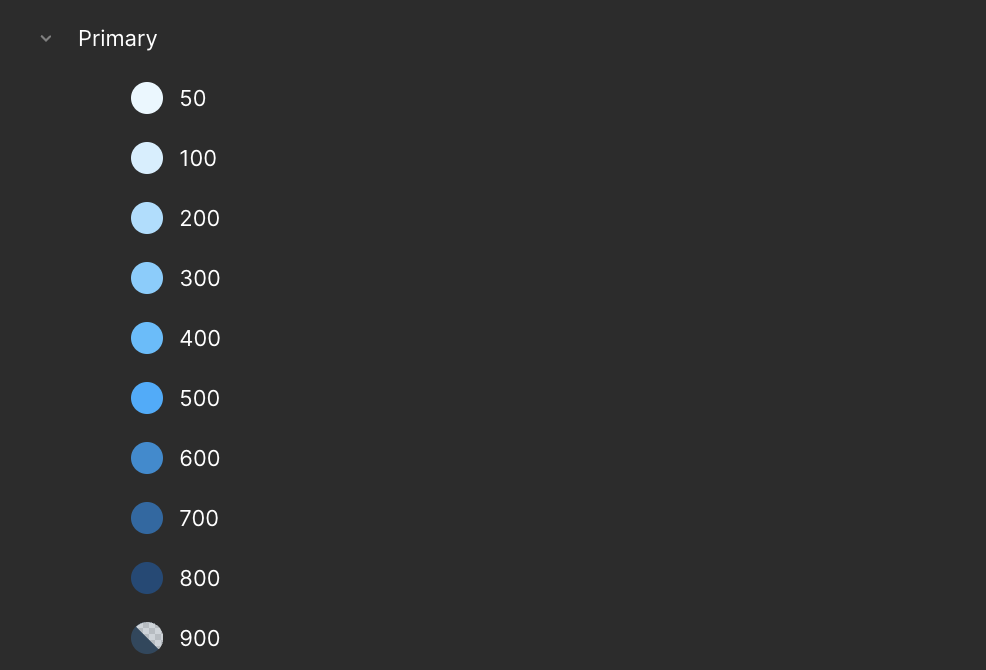
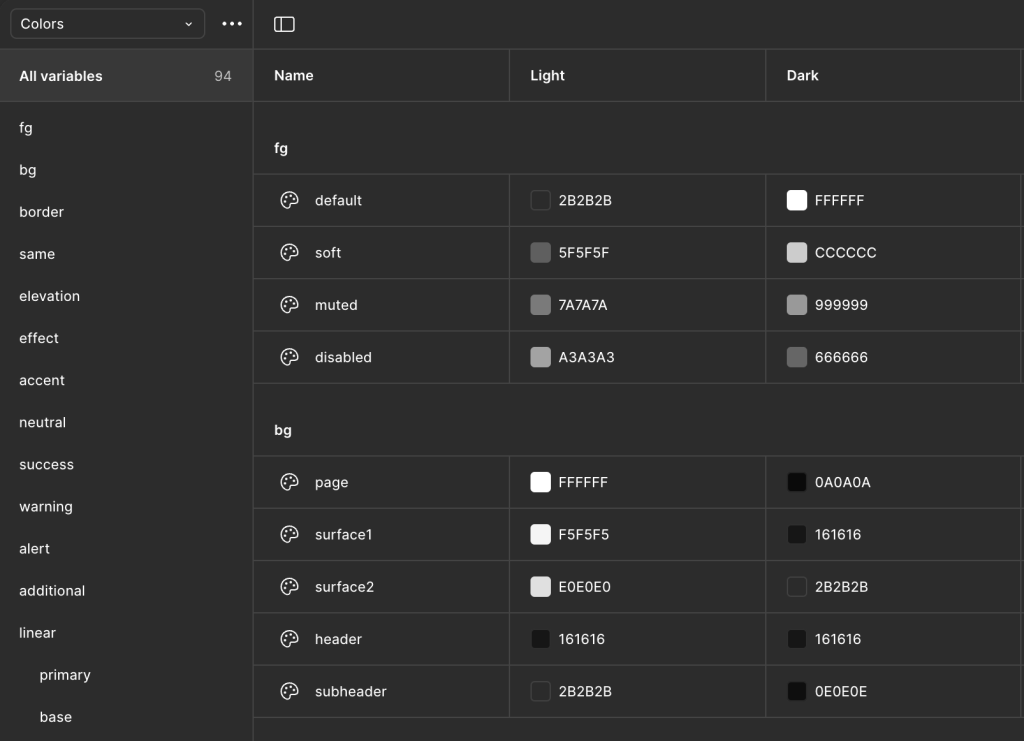
  • Established a scalable design system (components, colors, type, layout)

  • Designed cross-platform experiences for Web, iOS, and Android

🧪 Research & Testing

  • Ran usability testing with early beta users

  • Synthesized findings into iterative design improvements

  • Validated feature adoption with analytics tools and surveys

📱 Mobile Adaptation

  • Led the mobile app development from UX strategy to UI design

  • Tailored features for smaller screen usability without losing functionality

Research

  • User Interviews: Spoke with 15 writers (indie authors, screenwriters, students)

  • Surveys: Conducted a survey with 80+ creatives via Reddit and writing forums

  • Competitor Analysis: Compared 12 writing tools across structure, UX, and pricing

  • Pain Points Identified:

    • Fragmented tools for story planning vs writing

    • Lack of mobile-friendly solutions

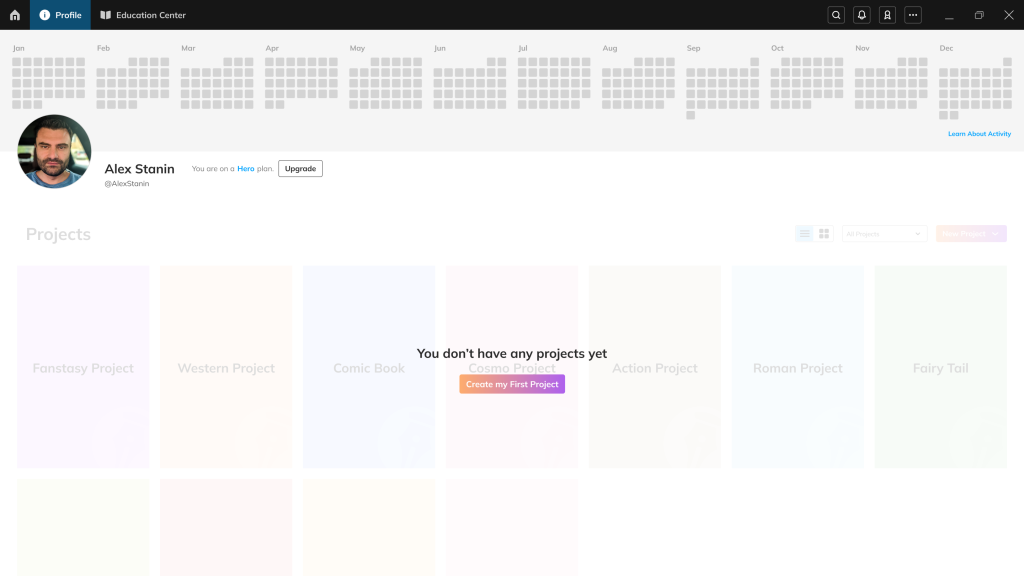
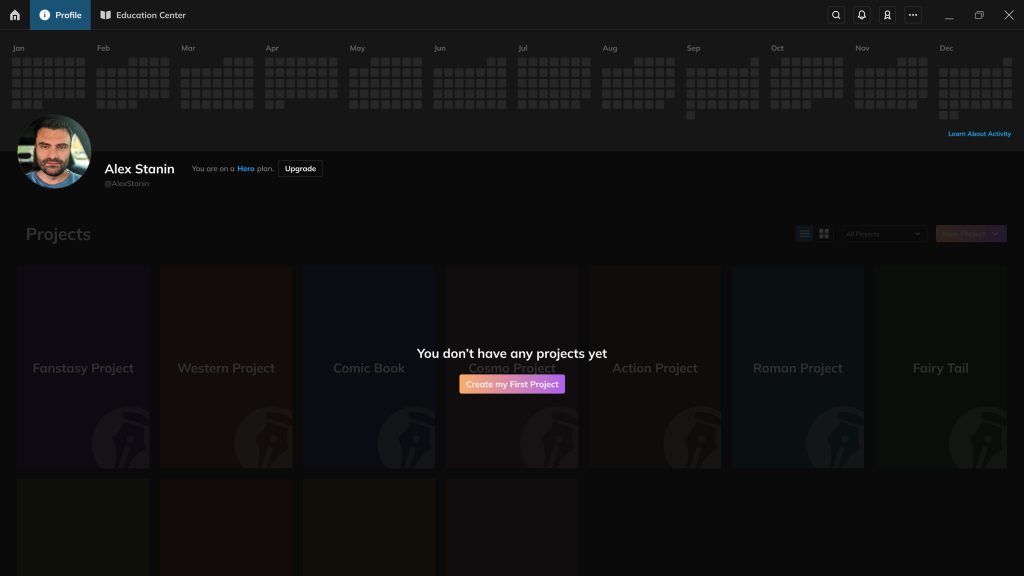
    • Overwhelming empty-state experience

Target Audience

  • Aspiring and professional writers

  • Screenwriters and storytellers

  • Writing coaches and publishers

  • Students learning creative writing

User Persona

About a user adipiscing elit. Ut elit tellus, luctus nec ullamcorper mattis, pulvinar dapibus leo.

User Persona
  • 1. The Aspiring Author
    Goals: Finish first novel, gain confidence, stay motivated
    Needs: Easy onboarding, structure help, light AI

    2. The Screenwriter
    Goals: Organize scenes, keep track of characters & locations
    Needs: Visual planning, export to industry-standard formats

    3. The Educator
    Goals: Use as a teaching tool for creative writing
    Needs: Simplicity, templates, collaboration

Marketing Initiatives (Early Stage)
  • Created genre-focused landing pages to drive SEO

  • Used targeted social ads (“Write your epic” CTA)

  • Connected with influencers in the writing space

  • Collected beta testers through Substack and Discord

  •  

Wireframes

About Styles adipiscing elit. Ut elit tellus, luctus nec ullamcorper mattis, pulvinar dapibus leo.

Design System

Web Design System:

  • Built in Figma with auto-layout, color tokens, typography scale, and reusable components

  • Components: Button set, inputs, modals, layout grid, tooltip, dark/light mode support

Mobile Design System:

  • Reimagined for touch: larger tap targets, vertical stack layouts, gesture-friendly nav

  • iOS & Android parity via component libraries (Material + Human Interface hybrid)


Themes

  • Core Palette: Ink Black, Sky Violet, Storybook Blue, Sunrise Gold

  • Light Theme: Focused on readability and spacious layout

  • Dark Theme: Emphasized immersion and contrast for night writing sessions

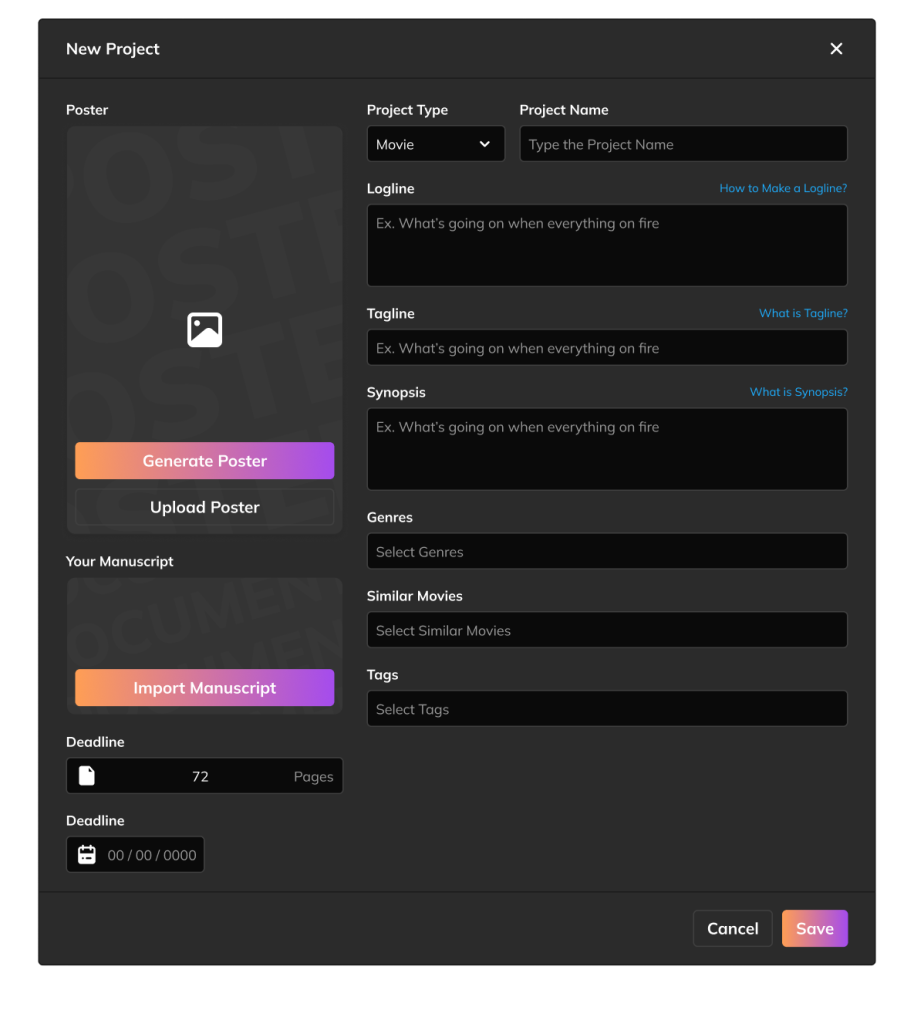
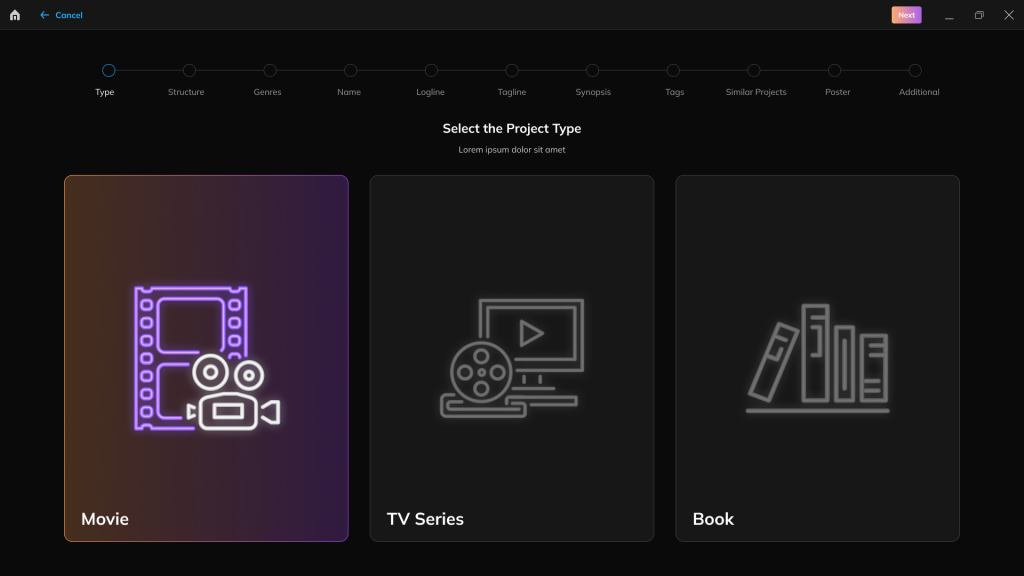
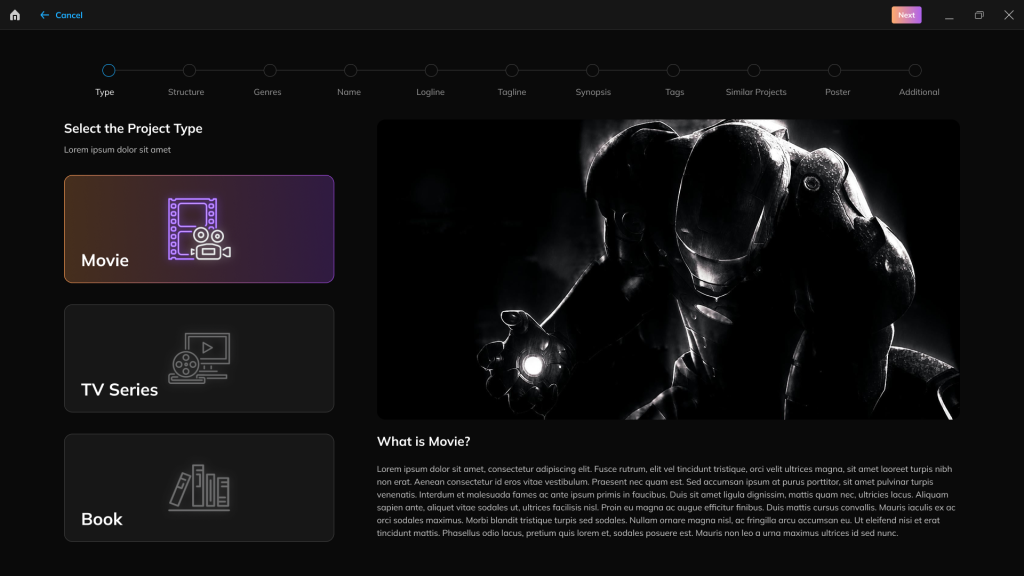
Case 1: Create Project

This progression focused on reducing friction while helping users start with clarity and inspiration.

Initial Idea: Use a static form to add a new story.

Iteration 2: Integrated a wizard + tone suggestions and other elements to collect more information about the story.

Final Design: A guided, AI-assisted flow with cover image, genre, tone, and structure suggestions that provide information for beginners and seasoned authors. 

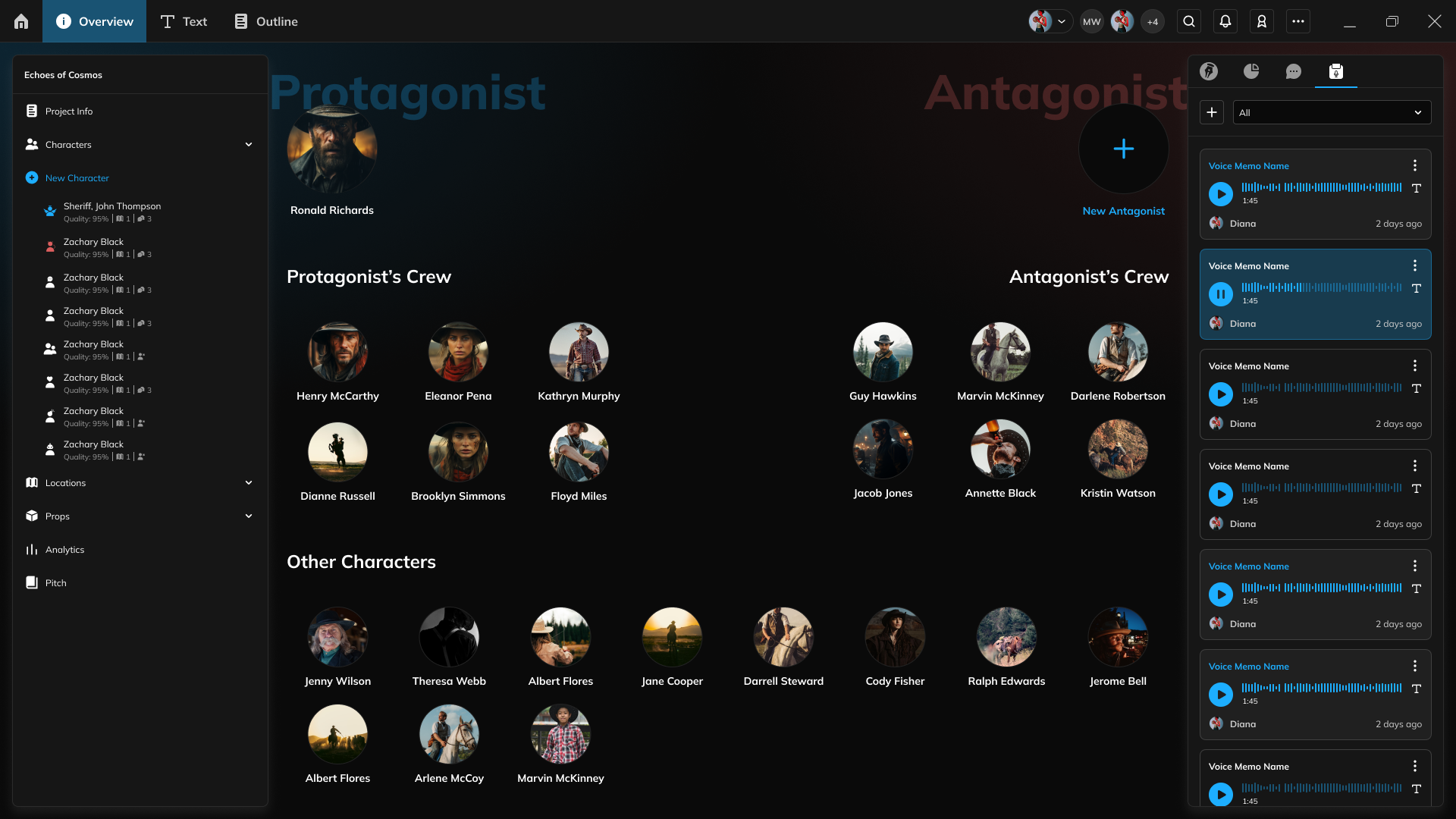
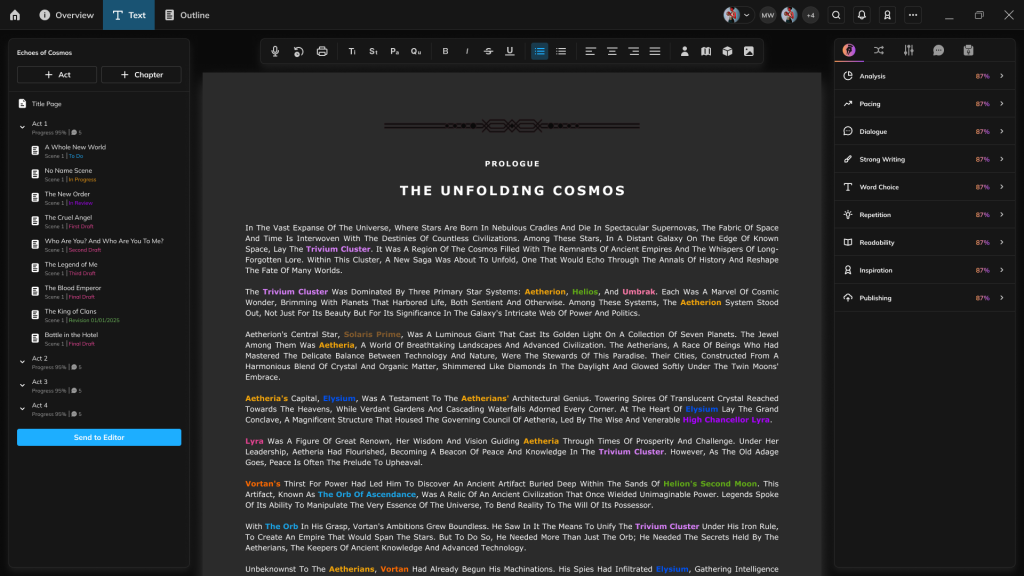
Case 2: AI assisted character and location recognition.

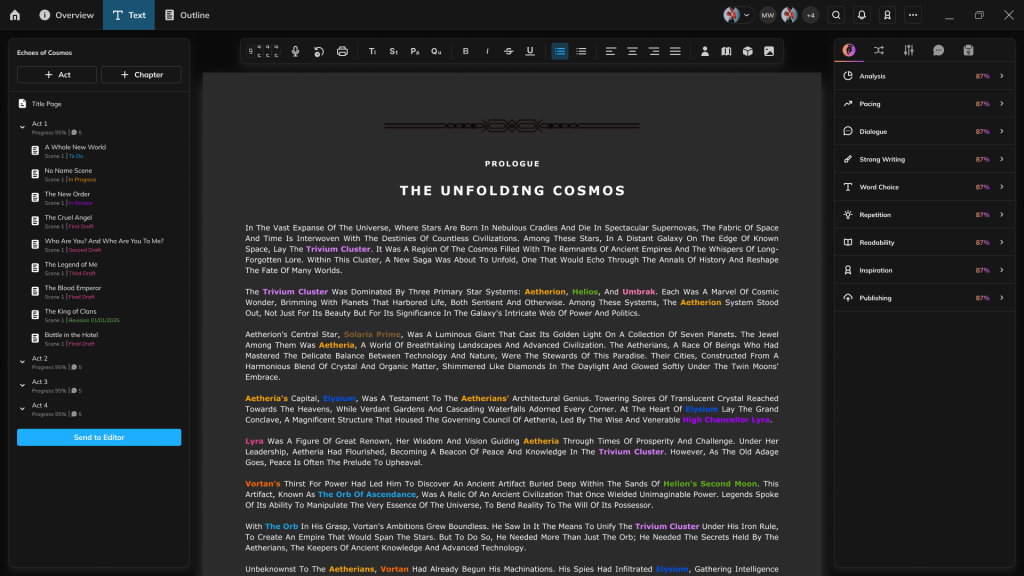
Feature identifies proper nouns and highlights names of characters and locations in real-time while writing. Helps maintain narrative continuity and enables future AI functions like character timelines.

Lorem ipsum dolor sit amet, consectetur adipiscing elit. Ut elit tellus, luctus nec ullamcorper mattis, pulvinar dapibus leo.

Results

  • MVP launched across web and mobile

  • 300+ beta users in 2 months

  • Positive feedback from early testers for UI simplicity and AI feature usefulness

  • White-label interest from legacy creative tool companies


 Key Takeaways

  • Always balance user control with AI convenience

  • Design systems save massive dev time when scaling

  • A focused launch strategy beats a feature-dense one